Two Americas, One ZIP Code: The Complicated Truth Behind the Rural Revival
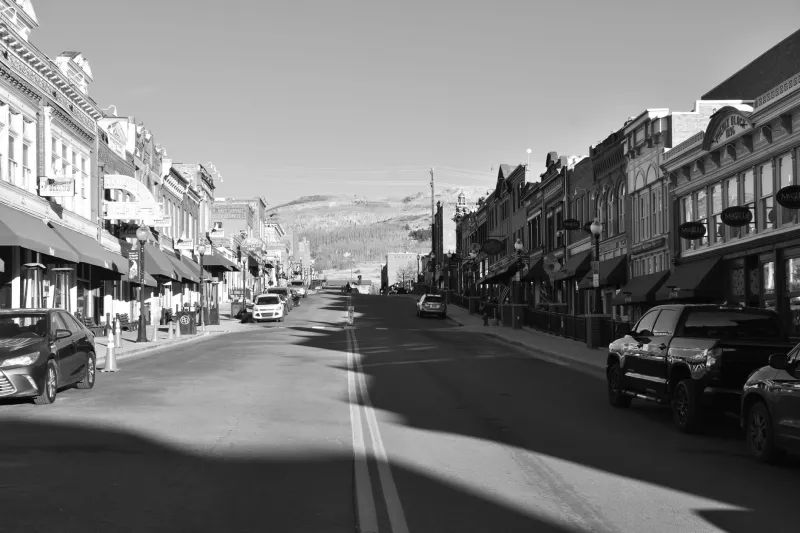
Drive into almost any small town that's landed on a "best rural destinations" list lately and you'll notice something interesting. The coffee shop is gorgeous — reclaimed wood, locally roasted beans, a chalkboard menu with oat milk options. Two doors down, a hardware store that's been there since 1952 has a hand-lettered "Closing Soon" sign in the window. A new boutique inn is fully booked through October. The diner where half the county used to eat breakfast on Saturdays? Gone.
This is the rural renaissance paradox, and if you spend enough time exploring America's back roads, you start to feel it everywhere.
The Numbers Look Great. So Why Does Main Street Feel Different?
Statisticians tracking rural America have plenty of good news to report. Property values are up in dozens of rural counties. Tourism revenue has climbed steadily since 2020. Remote workers are relocating to small towns at rates nobody predicted. Farm-to-table experiences, agritourism operations, and rural vacation rentals are booming.
But here's the thing about statistics — they measure averages, not stories. And the stories you hear from longtime residents often sound a lot different from the press releases.
"We had four locally owned restaurants when I was growing up," says a woman in her sixties who's lived in the same small Ohio town her whole life. "Now we've got two wine bars and a farm-to-table place that charges thirty dollars for an entrée. My grandkids can't afford to eat there."
That tension — between a town's growing appeal to outsiders and its shrinking accessibility for the people who built it — is showing up in rural communities from the Ozarks to the Finger Lakes. It's not gentrification in the classic urban sense. Nobody's calling it that. But the underlying mechanics rhyme.
Who's Actually Benefiting from the Rural Boom?
The short answer: it depends on who you are and what you already own.
Landowners who've held acreage for decades are sitting on dramatically appreciated assets. Farmers who pivoted early to agritourism — adding u-pick operations, farm stays, or event hosting — are doing well, sometimes remarkably well. Business owners who could afford to renovate and rebrand for a new clientele have found a ready market.
But the rural workforce that keeps these communities running — the school bus drivers, the grocery store clerks, the farmhands, the home health aides — often aren't seeing those same gains. Housing that was once affordable has tightened in many popular rural destinations. Wages haven't kept pace. And the cultural fabric of a place changes when the people who shaped it can no longer afford to stay.
This isn't a reason to skip rural travel. Not even close. But it is a reason to travel more thoughtfully.
Gentrification-Lite: What It Looks Like on the Ground
Urban gentrification has a well-documented playbook. Rural areas are writing their own version, and it moves slower and looks different enough that it often goes unrecognized until it's well underway.
Here's what to watch for: A cluster of new short-term rentals that used to be starter homes. A farmers market that caters almost exclusively to weekend visitors rather than locals. A downtown that's architecturally preserved but economically hollowed out — pretty storefronts, but nothing the people who live there actually need to buy. A local school losing enrollment while vacation rental occupancy climbs.
None of these things are inherently bad on their own. Taken together, they paint a picture of a community that's being curated for visitors rather than sustained for residents.
Some rural towns have caught on and pushed back thoughtfully. Local zoning adjustments, community land trusts, and deliberate investment in workforce housing have helped places like certain Vermont villages and parts of rural Colorado keep some balance. Others are still figuring it out — or haven't started yet.
What Genuine Rural Thriving Actually Looks Like
Not every rural success story has a complicated underbelly. Some communities really are thriving in ways that lift most of the boats.
The clearest examples tend to share a few things. They've diversified their economic base rather than pivoting entirely to tourism. They've kept local institutions — schools, health clinics, hardware stores, feed suppliers — alive and accessible. Tourism is a layer of the economy, not the whole foundation. And the people running visitor-facing businesses are often the same people who've been there for generations, not outside investors who spotted an opportunity.
When you find a place like that, you know it pretty quickly. The agritourism operation is run by the same family that's farmed that land for forty years. The inn owner knows everyone at the town council meeting. The restaurant sources from neighbors, not just for marketing copy, but because those relationships existed long before anyone was writing about the place.
That's authentic rural tourism. And it's worth seeking out.
How to Travel Rural America More Honestly
As a traveler, you're not responsible for fixing systemic economic inequality. But you do get to vote with your itinerary, and those votes add up.
Spend money at businesses that are genuinely local — not just locally themed. Ask who owns the place you're staying. If it's a corporate short-term rental managed remotely, that's different from a family-run farm stay where your dollars land directly in a local household. Eat at the diner that's been there for thirty years, not just the gastropub that opened last spring.
Talk to people who aren't in the tourism industry. Strike up a conversation at the hardware store or the feed supply place. Ask how long they've lived there. What they think has changed. What they miss. What they're glad about. You'll get a more honest picture of a place in fifteen minutes of real conversation than in a whole afternoon of curated experiences.
And when you find a rural community that seems to have figured out the balance — where growth is real but so is rootedness — tell people about it. Write the review. Share the photo. Recommend it to your friends. Places that are doing it right deserve the attention.
The Road Ahead
Rural America's story is genuinely complicated right now, and that's okay. Complicated doesn't mean bad. It means worth paying attention to.
The communities that are going to come out of this era in the best shape are the ones where residents have a real voice in what growth looks like — where tourism is a tool in service of the community, not the other way around. As travelers, we get to support those places and push, gently but consistently, for that version of the rural future.
The back roads are worth exploring. The farm stays are worth booking. The agritourism experiences are worth having. Just bring your eyes open and your curiosity pointed in more than one direction. The most interesting thing about any rural town is rarely what's on the welcome sign.

