Cracked Vinyl and Cold Coffee: America's Lost Roadside Diners Are Drawing Food Pilgrims Back to the Middle of Nowhere
There's a diner outside of Eads, Colorado that hasn't served a plate of eggs since the mid-1990s. The counter stools are still bolted to the floor. A laminated menu — liver and onions, $3.25 — hangs slightly crooked behind the register. The pie case is empty, obviously, but the little cardboard signs advertising the day's selections are still clipped to the wire frame inside. Someone left them there. Nobody's touched them since.
On a Tuesday in October, three cars pulled into the gravel lot. Two couples from Denver. A solo traveler from Kansas City. None of them knew each other. All of them had found this place the same way: a thread on a niche food history forum, cross-referenced with a grainy Google Street View image, confirmed by a blurry Instagram post from two years prior.
This is what food tourism looks like in 2024 — and it's weirder, more emotional, and more widespread than anyone predicted.
What's Pulling People to Places That Aren't Even Open
Call it nostalgia tourism. Call it ruin porn with better snacks. Whatever the label, the impulse driving people toward derelict roadside diners is real and growing. Food historians, travel bloggers, and plain old curious eaters are crisscrossing rural America in search of these vanishing landmarks — greasy spoons that fed truckers and farm families for decades before the interstate bypassed them, the chain restaurants undercut them, or the last cook simply got too old to keep the grill hot.
What makes a shuttered diner different from any other abandoned building? Intimacy, mostly. These weren't grand institutions. They were personal. Someone's grandmother ran the register. A local farmer had the same corner booth every morning for thirty years. The meatloaf recipe was never written down because it didn't need to be — everybody already knew what it tasted like.
When that closes, something specific disappears. Not just a business, but a gathering place. A ritual. A flavor that existed nowhere else on earth.
Travelers, it turns out, feel that absence acutely — even travelers who never ate there in the first place.
The Revival Math: Why Some Come Back and Most Don't
Here's the honest economic reality: most of these places stay closed. Bringing a roadside diner back to life isn't a romantic weekend project. It's a brutal financial undertaking involving health code compliance, commercial kitchen upgrades, staffing in communities where the labor pool is thin, and building a customer base in a town that might have 400 people in it.
But some do make it back. And when they do, the story tends to follow a recognizable arc.
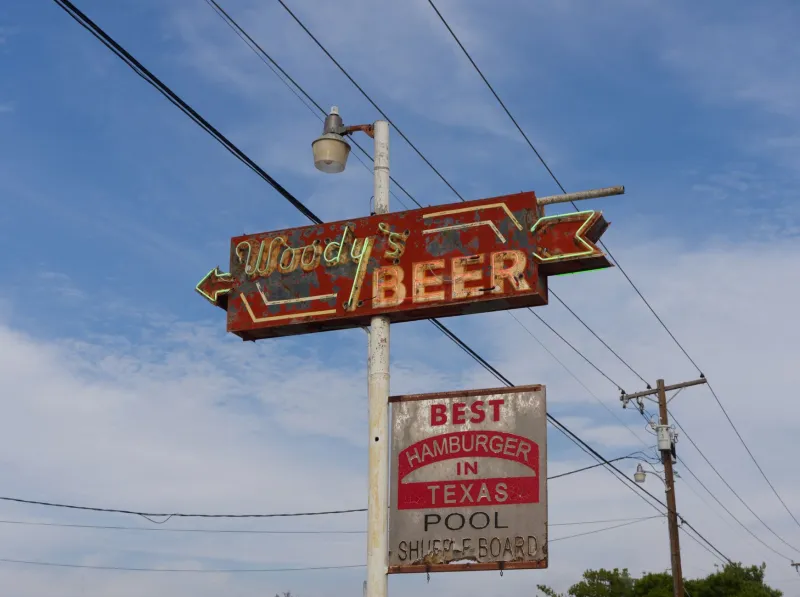
Somebody from outside — often a former city dweller with savings and a dream — stumbles onto a shuttered diner, falls hard for it, and decides to try. They gut the kitchen, keep the stools, refinish the counter, and serve something close to what was there before. The original regulars, those who are still around, show up first. Then the food tourists arrive, tipped off by a write-up in a regional magazine or a viral TikTok shot of the original neon sign flickering back to life.
The Kozy Korner in Ocheyedan, Iowa went through almost exactly this sequence. Closed for eleven years, reopened by a couple who'd relocated from Chicago. They kept the hand-painted murals, brought back the Friday fish fry, and started sourcing eggs from a farm down the road. On any given Saturday morning, you'll find a mix of locals who remember the original place and out-of-towners who drove two hours specifically to eat breakfast somewhere that feels like it survived.
That combination — the authentic and the deliberate — is exactly what food pilgrims are chasing.
The Ones That Stay Broken (And Why People Visit Anyway)
Not every rediscovered diner gets a second act, and some travelers prefer it that way. There's a whole subset of the diner-hunting community that actively avoids the restored spots in favor of the genuinely untouched ones — places where time stopped and nobody intervened.
These travelers aren't morbid, exactly. They're archaeologists of the ordinary. They're interested in what these spaces preserve: the design vernacular of mid-century American roadside culture, the specific typography of hand-lettered signs, the particular shade of turquoise that seemed to appear in every rural diner built between 1952 and 1971.
Photographers especially make long detours for these spots. There's a loose online community — spread across Instagram, Reddit, and a handful of dedicated blogs — that catalogs them with the seriousness of a preservation society. GPS coordinates get shared. Condition reports get updated. When a place finally collapses or gets demolished, people post tributes.
It sounds extreme until you stand inside one of these places and feel the weight of all those ordinary mornings stacked up in the walls.
What These Diners Actually Tell Us About Rural America
The diner as a cultural artifact reveals something specific about how rural communities fed themselves and connected with each other across the twentieth century. These weren't just restaurants. They were infrastructure — the place where you heard about the new family moving into the old Henderson place, where the school board meeting spilled over after it ended, where you could get a hot meal at 6 a.m. before a long day of planting.
Their decline maps almost perfectly onto the broader economic pressures that reshaped rural America: the consolidation of agriculture, the bypass highways that redirected traffic away from main streets, the aging of populations in small towns without enough young people moving in to replace what was leaving.
A closed diner isn't just a closed diner. It's a data point in a larger story about what happens when the economic logic of a place changes faster than the people living there can adapt.
Travelers who seek these places out — whether to eat a revived slice of coconut cream pie or just to stand quietly in a room full of empty stools — are engaging with that story. They're paying attention to something that doesn't always get noticed.
How to Do This Trip Right
If the diner pilgrimage sounds like your kind of road trip, a few practical notes:
Do your research before you go. The online communities tracking these spots are detailed and genuinely helpful. Search for regional road food blogs, check forums dedicated to American roadside architecture, and cross-reference with state historic preservation office records, which sometimes document commercial buildings in rural areas.
Call ahead if a place claims to be open. Rural diner hours are famously unpredictable. "Open Tuesday through Saturday" can mean a lot of things. A phone call saves a wasted drive.
Spend money when you can. If a restored diner is operating, eat there. Buy the pie. Tip well. These places run on thin margins and they need the support of the exact travelers who claim to love them.
Respect the closed ones. If a diner is shuttered and you're photographing the exterior, stay out of structures that aren't safe, don't trespass on private property, and leave everything exactly as you found it. The next person deserves the same experience you came for.
The ghost of American roadside dining is still out there, scattered across every state with a two-lane highway and a past. Some of it is coming back. All of it is worth finding.