The Best Dinner Reservation in Rural America Doesn't Take Reservations
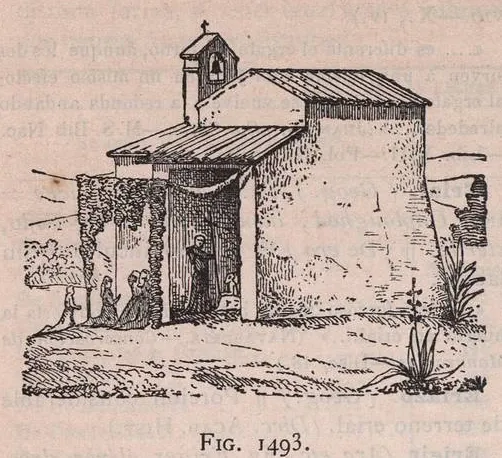
Photo: Pelayo Clairac y Sáenz, Public domain, via Wikimedia Commons
There is a sign taped inside the window of a feed store in almost every farm town in America. It is usually hand-lettered with a marker that is running low, and it says something like: PANCAKE BREAKFAST. FIRE HALL. SAT. 7 TO 11. $8. KIDS $4.
No reservation link. No online menu. No hostess with a tablet. And yet, dollar for dollar, that sign is advertising one of the best meals you will eat on any road trip — cooked by people who have made it four hundred times and see no reason to change a thing.
Welcome to the rural supper circuit, a loose nationwide network of fundraisers, church dinners, and volunteer-hall feeds that runs mostly on cash, casseroles, and word of mouth.
The Unlisted Table
Call it what the locals call it: the chicken-and-noodle dinner, the Lenten fish fry, the ham loaf supper, the bean feed, the oyster roast, the ice cream social, the hog roast before the homecoming game. The venues are usually the same buildings that host everything else in town — the Methodist fellowship hall, the American Legion post, the grange, the 4-H building, the fire station bay with the trucks pulled out and the floor swept twice.
Menus are short and confident. Fried fish with hushpuppies and coleslaw. Noodles over mashed potatoes with a relish tray. Sausage and sauerkraut in the German-settled counties. Pulled pork, baked beans, and a dessert table that runs the length of two folding tables. Most plates land somewhere between eight and fifteen dollars, and most operations will hand a kid a smaller plate for half of that.
What you are paying for, technically, is food. What you are actually getting is a town, briefly assembled.
Why Your Ten Dollars Does More Than You Think
These dinners are rarely businesses. They are fundraisers, and the cause is usually printed on a paper sign near the cash box.
Volunteer fire departments use supper money for equipment, training, and the endless small costs of being the only emergency response for fifteen miles in any direction. Church groups fund scholarships, cemetery upkeep, food pantries, and the funeral dinners nobody plans for but everybody shows up to. Granges and Lions clubs and FFA chapters chip away at ball field lights, fair entries, and the annual Christmas project.
There is a foodways story here too. The recipes in these kitchens are not trendy; they are inherited. Someone's grandmother's dressing. A pie that has won the county fair so many times the judges know it by sight. When you buy a plate, you are indirectly funding the survival of a regional menu that exists nowhere online.
How Travelers Actually Find Them
The listings are scattered, but they are not hidden. They are just not on the apps you're used to.
- Local newspapers. Many rural weeklies still print a community calendar, and it is often the single most complete source in the county.
- Social media, but the right kind. Fire department pages, church pages, and the town's 'what's happening' group are where dates get announced and changed.
- Bulletin boards. Feed stores, co-ops, the library, the laundromat, the gas station, and the diner by the register.
- Ask a person. The most reliable method ever invented: strike up a conversation and ask what's coming up. Small towns are not shy about promoting their supper.
- Seasonal patterns. Fish fries cluster around Lent. Ice cream socials hit in July. Harvest suppers and sausage dinners land in fall. Chicken barbecues follow the fair schedule.
One caution: call ahead when you can. Some dinners sell out in ninety minutes, and a few have quietly changed weekends without updating anything.
The Unwritten Etiquette
Nobody will hand you a rules card, but the rules exist, and following them is the difference between a good meal and a great one.
Bring cash and small bills. A card reader at a church supper is still a rare sight.
Arrive in the first hour. The best of everything goes first, and nobody wants to be the person who takes the last piece of pie.
Sign the guest book and say where you're from. They will want to know. Be ready to explain why you're in town, and be ready for a genuinely interested follow-up question.
Buy a raffle ticket. It's two dollars, and it's the point.
Ask before photographing people. The food, sure. The line cook, only with a nod.
Take a dish if it's a potluck and you were invited. Label it, and don't take the serving spoon home.
Clear your plate and stack it where the sign says. The dish crew is usually four volunteers who have been standing since six.
Let the elders go through the line first. This is not optional.
What to Order, and What to Expect
Order whatever the kitchen is known for. Ask the person in front of you — they'll tell you with real conviction. If it's a pie table, get the pie. If it's a fish fry, get the fish.
Go in with realistic expectations about dietary accommodations. These are not restaurants with substitutions; they are volunteers cooking for two hundred. Most will happily tell you what's in a dish if you ask, and many will find you something that works.
And coffee will be church-basement strength. That is a feature.
Make It a Day
The supper is an anchor, not the whole trip. Build a Saturday around it: the hardware store with the wooden floor, the cemetery walk, the grain elevator, the thrift shop that opens at nine and closes whenever, the high school football game on Friday night. You will end up staying longer than planned. That is how it always goes.
The chairs get stacked around seven. The lights go off in the fellowship hall. And you drive out of town with a paper plate wrapped in foil on the passenger seat, because somebody insisted you take a slice for the road.
That's the reservation. It just doesn't come with a confirmation email.