Basements, Microfilm, and a Maiden Name: The Roots Road Trip Bringing Travelers Back to Small-Town America
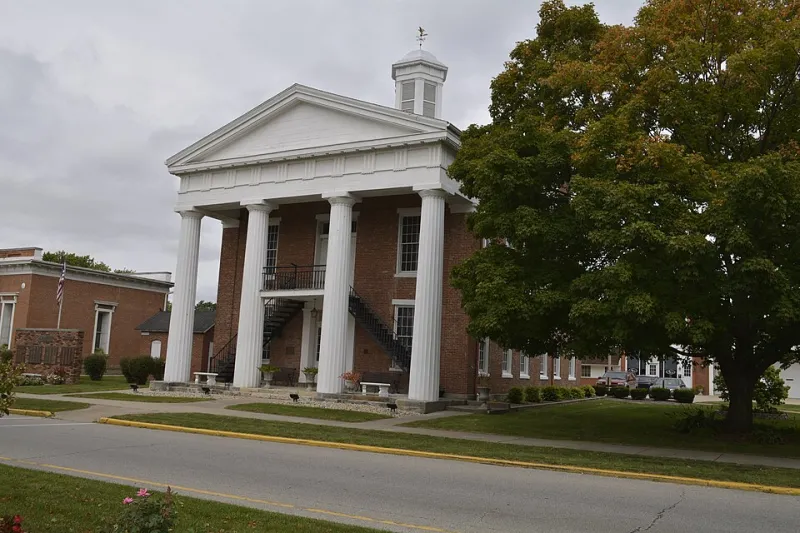
Photo: Robert Haugland, CC BY-SA 4.0, via Wikimedia Commons
The couple in the courthouse basement is not lost. They are on page 412 of a deed book the size of a car battery, looking for a signature from 1887, and they have driven nine hours to do it.
Genealogy tourism has been growing for years, fueled by DNA kits, digitized census records, and the particular itch of not knowing where you come from. Most of that research happens on a laptop at home. But at some point the paper runs out. The record you need is not online, was never microfilmed, and is sitting in a metal cabinet in a county seat of 1,900 people, three blocks from a diner that closes at two.
So people go. And small towns, often without planning to, have become destinations for a kind of travel that fills hotel rooms on Tuesday nights in April.
The Ancestor Economy
Roots travelers behave differently from other tourists. They stay longer, spend steadily on lodging, meals, and gas, and often come in shoulder season when nothing else is happening. They come back, sometimes annually, sometimes with siblings in tow. And they tend to spend money in unglamorous places: the historical society's gift shop, the local printer making copies of a family photograph, the flower shop for a bouquet to leave at a grave.
For a rural county with a research room, a decent cemetery index, and someone willing to answer the phone, that is a quiet form of economic development that requires almost no infrastructure.
Call Before You Come. Seriously.
This is the single most useful piece of advice available. Rural research institutions keep rural hours. County clerks may be open 8:30 to 4:30 on weekdays and closed for lunch. Historical societies are often staffed by volunteers and open two days a week, sometimes by appointment only. Libraries have microfilm readers that may or may not be working.
A phone call two weeks out will save you a wasted morning. Ask three questions: are you open on the date I plan to visit, do you have records for the years I need, and is there anything I should bring.
Also check whether the county existed when your family lived there. County boundaries shifted constantly in the 1800s, and records for one place can live two counties over. If your people were in western Virginia before 1863, for example, you are now looking in West Virginia, and the archives followed the state line, not your family.
What Actually Lives in a Courthouse
More than people expect. The usual starting points:
- Deeds and land records to place a family on a specific piece of ground.
- Marriage registers, which frequently supply parents' names and the officiant's.
- Probate and will books, the single richest source for identifying children and heirs.
- Tax rolls and plat maps, which can distinguish two men with the same name in the same township.
- Court minutes, which occasionally mention things nobody put in a family history.
Bring a research log with what you already know, so you are not re-deriving your own work at a copy machine. Bring cash and quarters, since copies often cost a quarter a page. Bring a pencil; many archives prohibit pens. And remember that the clerk behind the counter is not your research assistant. Most are happy to point you to the right shelf and will bend over backward if you are polite. None of them can do three hours of work for you while also issuing marriage licenses.
One more caution: courthouse fires were common, and many counties lost chunks of their nineteenth-century records. The local historical society usually knows exactly what burned and what was reconstructed. Ask.
How to Read a Country Cemetery
Cemeteries are where roots trips get emotional, and where well-meaning visitors do the most damage.
Start with a wide photograph of the whole family plot before you take close-ups. Stones that look meaningless out of context suddenly make sense in a row. Look for the small, unmarked footstones between the headstones, which often mark infants who never appear in any other record. Expect dates to be wrong, initials to be carved instead of names, and at least one stone that has been reset incorrectly by a well-meaning crew in the 1970s.
Do not scrub, bleach, or chalk a stone. Do not do a rubbing. A soft brush and water is the most any conservator wants you to attempt, and even that should be cleared with whoever maintains the grounds. Close every gate you open, because pasture cemeteries are still pasture. And if the plot sits on private farmland, find the owner and ask, rather than driving a rental car through a hay field.
Towns That Roll Out the Welcome Mat
A growing number of rural communities have figured out that roots travelers are worth courting. Look for counties that advertise a research room with a copier, a surname file index, and a willingness to answer written requests for a modest fee. Some historical societies run genealogy weekends with volunteers on hand. Others will scan and email a document for the price of a donation.
Culturally distinct regions tend to have the deepest resources, because the descendants are numerous and organized: Pennsylvania Dutch country, the Scots-Irish backcountry of Virginia and the Carolinas, the German-Russian communities of Kansas and the Dakotas, the Cornish mining towns of Michigan's Upper Peninsula, the Norwegian settlements of Minnesota and Wisconsin, and the land-grant families of northern New Mexico.
Where the chain hotels have not arrived, you will be staying in a converted Victorian, a restored old hotel, or a cabin, which is its own pleasure. Book early for fall, when the light is good and the cemeteries are not buried in snow.
The Thank-You Economy
Roots travelers are guests in someone else's hometown, and the good ones behave accordingly. Buy the county history book. Put something in the donation jar. Sign the guest register at the museum so the volunteers can show their board that people are coming. Send the historical society a scanned copy of the photograph you found in your aunt's attic, because they do not have it and you do.
Then go eat at the diner, tip well, and drive out to the farm your great-grandfather worked. Stand at the fence line. Take a picture. And leave the gate exactly as you found it.