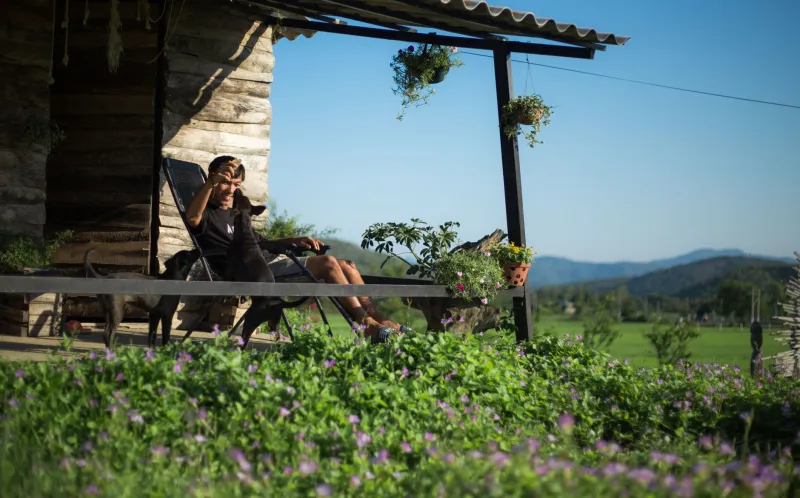
Broadband and Barn Views: What Happens When Remote Workers Discover Your Small Town
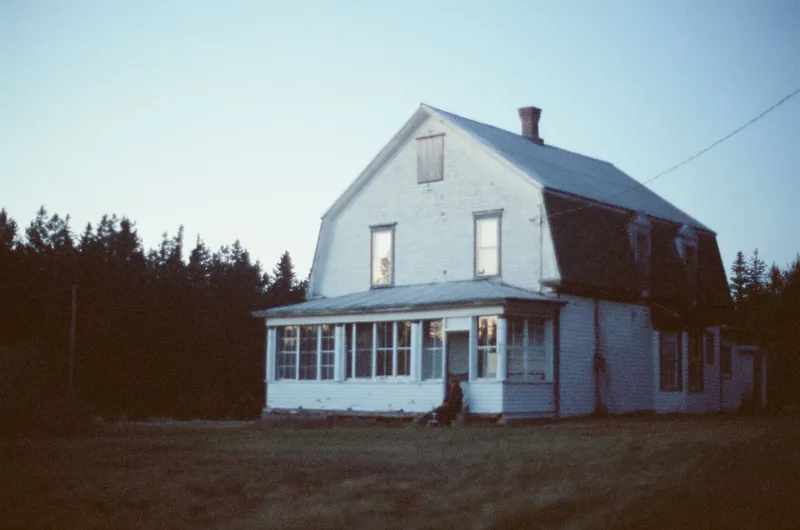
Somewhere between the third Zoom call of the morning and the fourth ambulance siren rattling the apartment windows, a lot of Americans made a decision. They opened a real estate tab, typed in the name of a county they'd driven through once on vacation, and started doing math. Square footage. Acreage. Commute time to an office they no longer had to show up to.
What followed was one of the most significant demographic shifts rural America has seen in a generation. And depending on who you ask — the newcomer with a standing desk in a converted hayloft, or the third-generation farmer watching his neighbor's land sell for triple what it appraised at two years ago — it's either a revival or a reckoning.
The Numbers Don't Lie (But They Don't Tell the Whole Story Either)
During the pandemic and its aftermath, rural counties across the U.S. posted population gains they hadn't seen since the postwar era. Places like the Ozarks, the Hill Country of Texas, western North Carolina, and stretches of rural Vermont and Montana saw inbound migration numbers spike dramatically. The USDA's Economic Research Service confirmed it: nonmetro counties, long accustomed to slow population bleed, were suddenly gaining residents.
The engine driving all of it? Remote work. When employers untethered workers from physical offices, those workers untethered themselves from expensive cities. A marketing director in Denver could suddenly do her job just as effectively from a farmhouse outside Salida, Colorado — and for about a third of the housing cost. A software engineer in Austin could trade a 900-square-foot condo for a four-bedroom house on two acres somewhere in the Texas Hill Country and pocket the difference every month.
Real estate platforms tracked the exodus in real time. Searches for rural and small-town listings surged. Properties that once sat on the market for months started moving in days. Bidding wars — a phenomenon previously confined to urban markets — started showing up in counties where the nearest stoplight was twenty miles away.
What a Seller's Market Looks Like When Your Town Has 4,000 People
For longtime rural homeowners, the boom has been a genuine windfall. Folks who'd watched their properties stagnate in value for decades suddenly found themselves sitting on significant equity. Some sold and retired comfortably. Others leveraged rising values to finally make improvements they'd deferred for years.
But the flip side arrived fast. As outside buyers — often with city-level savings accounts — entered rural markets and drove up prices, the people who'd always lived there found themselves priced out of the next rung up. A young couple from a small town in the Shenandoah Valley, both working local jobs, couldn't compete with a remote-working couple from Northern Virginia offering cash over asking on the same starter home. Rental prices followed purchase prices upward. Housing stock that was already thin got thinner.
In some communities, the tension became palpable. Planning and zoning meetings that used to draw a dozen people started filling up. Arguments about short-term rentals, new construction, and infrastructure capacity that rural towns had never had to have before were suddenly on the agenda.
Two Visions of the Same Main Street
Here's where it gets genuinely complicated, and where easy narratives fall apart.
The newcomers aren't villains. Most of them moved to rural areas precisely because they love what those places are — the pace, the landscape, the sense of community, the realness of it all. Many become active volunteers, join local organizations, and spend their above-average incomes at local businesses. Restaurants that were struggling find new customers. Boutique shops, breweries, and art studios open because there's finally enough disposable income in town to support them.
But the version of rural life they fell in love with — and are paying a premium to access — can start to erode under the weight of its own popularity. The hardware store gets replaced by a wine bar. The diner where everyone knew everyone becomes a brunch spot with a two-hour wait on Sundays. The cultural texture that made the place feel authentic starts to feel curated.
Longtime residents often describe it with a mix of pride and grief. Pride that the outside world has finally noticed what they always knew was special. Grief that the knowing changes the thing itself.
The Infrastructure Question Nobody Wants to Answer
There's also a more practical tension lurking underneath the cultural one: rural infrastructure was not built for this.
Roads designed for farm equipment and modest local traffic now handle commuter volumes. Water and sewer systems engineered for a stable, smaller population are being pushed. Schools that had been quietly consolidating for years suddenly need to think about capacity again. And broadband — the very utility that made this whole migration possible — remains frustratingly spotty in the most rural pockets, even as demand for it has never been higher.
Federal investment in rural broadband has ramped up significantly in recent years, and many communities are finally seeing fiber infrastructure arrive. But the timing is uneven, and in some places the new residents arrived well before the connectivity that supposedly made the move viable.
Local governments, most of them operating on lean budgets with small staffs, are scrambling to keep up with planning demands they weren't resourced to handle. Some have brought in outside consultants. Others are leaning on state agencies. A few are just winging it and hoping the growth plateaus before the seams show too badly.
Finding the Middle Ground
The communities navigating this transition most successfully seem to share a few common traits. They're having the hard conversations early, before resentment calcifies into factions. They're investing in affordable housing initiatives — land trusts, deed restrictions, workforce housing programs — that keep the door open for local workers and younger residents. And they're finding ways to channel newcomer energy into community institutions rather than letting it pool into a separate social ecosystem.
Some towns have been deliberate about creating spaces — literal and figurative — where old-timers and newcomers actually interact. Community gardens. Local history projects. Volunteer fire departments that actively recruit new members. It sounds small, but the places where integration is working tend to be the ones where someone made a conscious effort to make it happen.
The road through this moment isn't smooth, and there's no GPS route that avoids all the friction. But rural America has absorbed waves of change before — agricultural mechanization, the factory closures of the '80s, the slow drain of the '90s and 2000s. It tends to find a way.
This time, at least, the people showing up are bringing money and intentions instead of taking them away. What the towns make of that is still being written, one planning meeting, one sold property, one neighborly conversation at a time.
And if you happen to be one of those remote workers eyeing a move to somewhere quieter and greener — well, just remember: the barn view comes with a community attached. Treat both with care.