Junk, Treasure, and the Open Road: Why Rural Antique Shops Are America's Newest Must-Visit Destinations
Something funny has happened to the humble small-town antique store. What used to be a dusty pit stop between destinations has quietly become the destination itself. Travelers are rerouting road trips, planning weekend getaways, and burning through their gas budgets — all in pursuit of a good rummage through somebody else's past.
Call it the antique store effect. Across rural America, shops stuffed with milk glass, Depression-era kitchenware, vintage seed company signage, and the occasional taxidermied something-or-other are drawing crowds that would make a theme park blush. And the shop owners? They're not entirely sure how it happened — but they're absolutely running with it.
It's Not Shopping. It's a Scavenger Hunt.
Ask anyone who's spent a Saturday afternoon working through a multi-room antique mall in a small Ohio river town or a converted grain elevator in rural Kansas, and they'll tell you the same thing: it doesn't feel like shopping. It feels like exploring.
There's a specific thrill to not knowing what's around the next corner. A 1940s soda fountain stool. A hand-painted wooden sign from a diner that closed before your parents were born. A box of old postcards from places that no longer exist. Unlike big-box retail — where every shelf is planogrammed to death and nothing surprises you — a good antique shop operates on beautiful chaos.
That sense of discovery is increasingly rare in modern life, and travelers are hungry for it. People spend so much time scrolling through algorithmically curated feeds that walking into a genuinely unpredictable space feels almost radical. A cluttered antique shop is, in its own weird way, the opposite of the internet.
The Instagram Factor (Yes, Really)
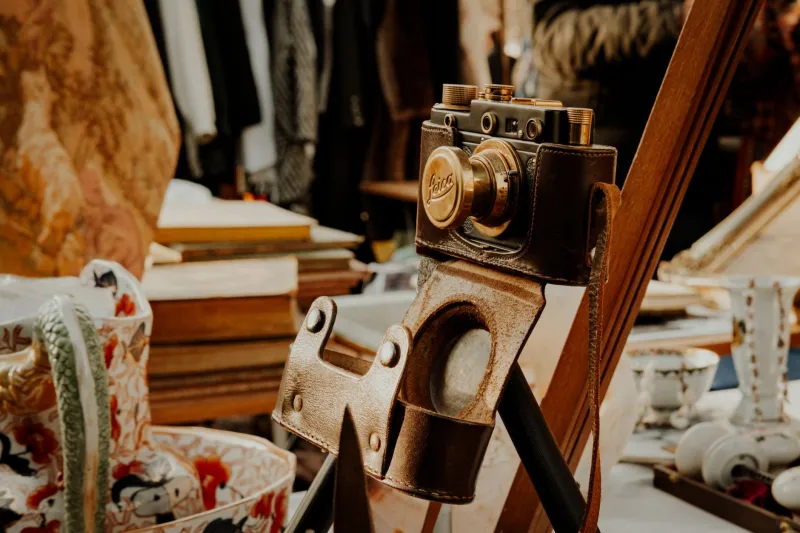
Here's the part that surprises a lot of small-town shop owners: their stores have become photo destinations. Not just casual snapshots, either — we're talking carefully composed shots of old cameras arranged on barn wood shelves, close-ups of faded typewriter keys, and flat lays featuring vintage fabric swatches and cast iron trivets.
Savvy shop owners have started leaning into this. A few have created what regulars call "still life corners" — intentionally styled vignettes designed to be photographed. Others rotate themed displays around seasons or local history. One antique dealer in the Mississippi Delta reportedly built a replica of a 1950s rural general store inside her shop specifically because customers kept asking to photograph her existing stock arrangements anyway. Now that corner alone pulls people off the highway.
It sounds almost counterintuitive — a store encouraging you to photograph things rather than buy them. But the logic holds up. Every tagged photo is a free advertisement reaching people who've never heard of the town, let alone the shop. And when travelers start planning road trips around "places worth stopping," those photos do a lot of the convincing.
The Stories Behind the Stuff
Beyond the visuals, there's something else pulling people into these shops: narrative. Every object in a good antique store carries a ghost of its former life. That's not just poetic — it's genuinely what draws people in.
Shop owners who've figured this out have started leaning on provenance. Handwritten tags that say more than just a price. Notes like "Butter mold, c. 1910, from a dairy farm outside Galena, IL — still has the original floral pattern." Or "Radio cabinet, 1938 — the family says Grandma listened to FDR's fireside chats on this." These little details transform objects from commodities into artifacts.
Some shops have gone further, hosting informal storytelling events where locals bring in objects and share their histories. Part oral history project, part community gathering, part shopping opportunity — these events have started drawing visitors from hours away who come not just to buy, but to listen.
Small Towns Are Quietly Winning This One
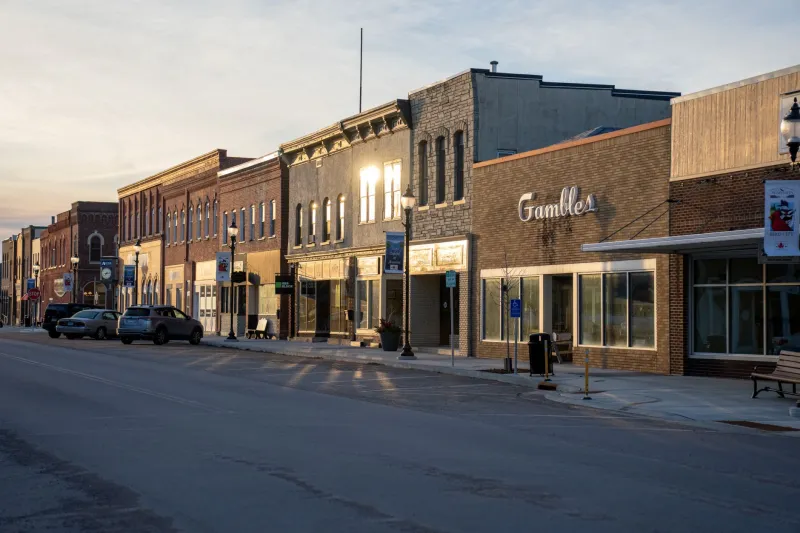
Here's what makes the antique store phenomenon so interesting from a rural tourism perspective: it's almost exclusively a small-town story. Cities have vintage boutiques, sure, but they tend to be curated, expensive, and a little self-conscious. The rural antique shop operates differently — messier, more democratic, more likely to have a working cat asleep on a stack of Life magazines.
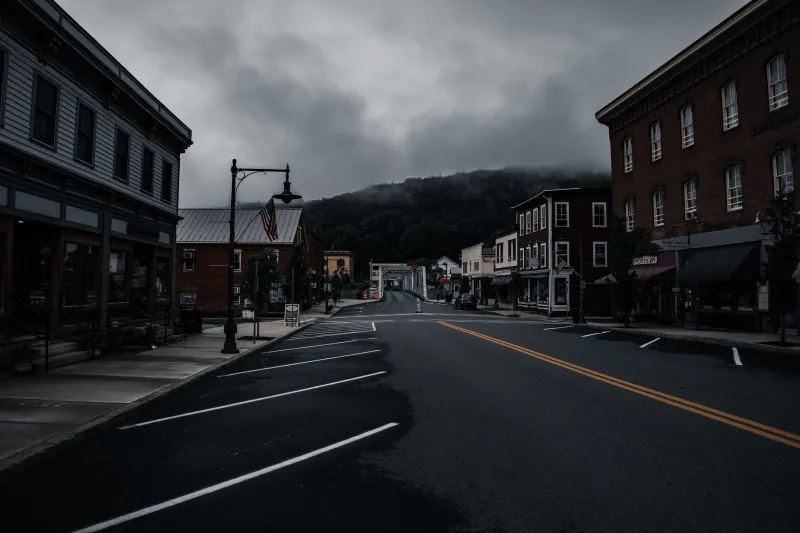
And that authenticity is exactly what travelers are seeking. There's a reason people drive two hours past perfectly adequate antique shops in the suburbs to reach the one in a converted hardware store on a county road in southern Indiana. The setting matters. The context matters. A piece of old farm equipment means something different when you're standing in the county where it was used.
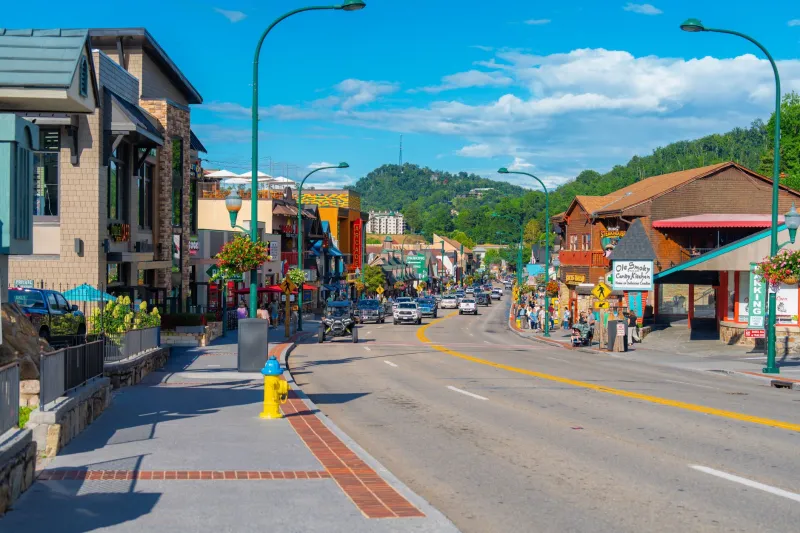
Small towns are starting to understand this and lean into it. Some communities have begun organizing antique trail weekends — self-guided routes that connect multiple shops across a county or region, complete with maps, participating shop deals, and sometimes food trucks or local musicians at the bigger stops. Think of it as a wine trail, but for people who get excited about vintage enamelware.
How to Plan Your Own Antique Road Trip
If you've never built a road trip around antique shops, here's the honest truth: it's one of the most low-pressure, high-reward travel formats out there. There's no itinerary to stick to, no reservations to miss, and no such thing as a wrong turn when every detour might lead to a barn sale.
A few things worth knowing before you go:
Go on weekends, but arrive early. The best finds don't last until Sunday afternoon. Serious pickers are often there when the doors open.
Bring cash. Not every rural shop has a card reader, and even the ones that do might give you a better deal on a cash transaction.
Talk to the owners. This is where the real experience lives. Shop owners in small towns tend to know everything — the history of what they're selling, the history of the town, and probably which diner down the street makes the best pie. Don't skip this part.
Check for events. Many shops now host themed weekends, holiday sales, or special buying events. A quick look at their Facebook page (yes, Facebook — rural antique shops are surprisingly active on Facebook) before you go can turn a good day into a great one.
Give yourself more time than you think you need. This is not a speed activity.
The Bigger Picture
The rise of the rural antique shop as a tourist destination is, at its core, about people wanting something real. Not manufactured, not optimized, not curated by an algorithm. Just a room full of objects that lived actual lives, in a town that has its own story to tell, run by someone who genuinely loves what they do.
That's a pretty hard thing to replicate at scale — which is exactly why it keeps drawing people back to the back roads. The cities can have their pop-up shops and their vintage-inspired chains. Out here, the real thing is still sitting on a shelf waiting for somebody to find it.