Where the Dollar Stays Local: The Small-Town Shop Owners Winning Back Main Street
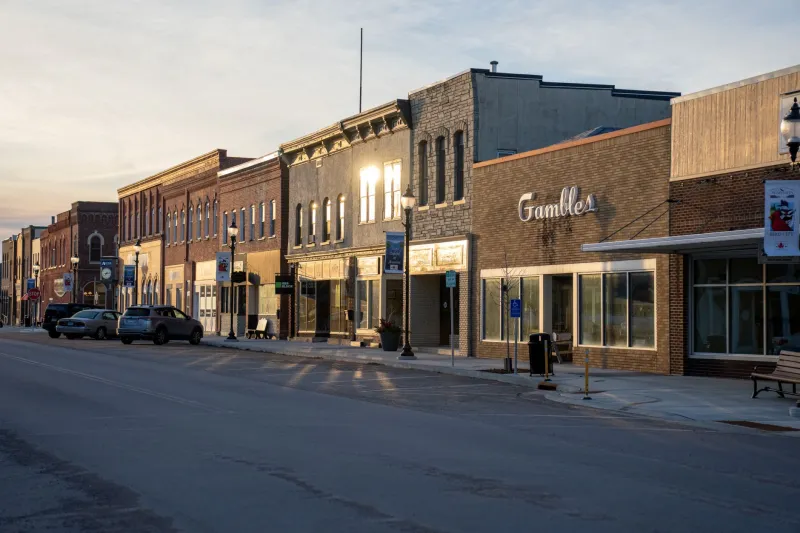
There's a hardware store in Mineral Point, Wisconsin that's been on the same corner since 1948. The guy behind the counter knows your name before you've introduced yourself, can tell you exactly which aisle has the obscure fitting you need, and will probably wave you off if you try to overtip him for his time. You won't find that at a big box store. You won't find it anywhere near an interstate exit, either.
And yet, somehow, people are driving out of their way to get there.
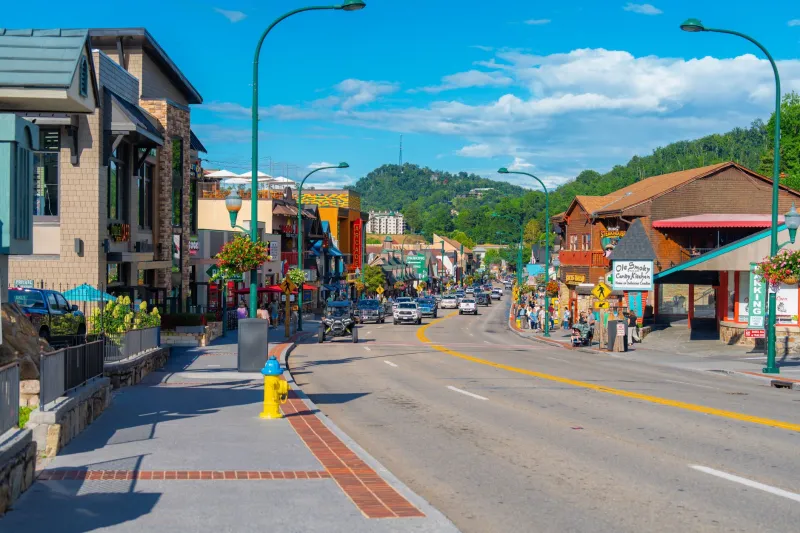
That's the story playing out on rural Main Streets from Vermont to New Mexico right now — a slow, stubborn, deeply American resurgence of the independent retailer. It's not flashy. There are no venture capital rounds or influencer campaigns. It's just good businesses doing right by their communities, and travelers increasingly showing up to reward them for it.
The Big Box Backlash Nobody Predicted
For a while there, it looked like a done deal. The Walmarts and Dollar Generals rolled into rural counties, the mom-and-pop shops shuttered, and the conventional wisdom said that small-town retail was finished. Convenience had won. Price had won.
Except it didn't, quite.
What economists and retail analysts missed — and what any road tripper who's spent real time in small towns already knows — is that people don't just want stuff. They want an experience. They want to buy a jar of honey from the person who kept the bees. They want to pick up a piece of pottery from the artist whose studio is three blocks away. They want the shop owner to ask about their drive and mean it.
National chains can't manufacture that. They've tried. It doesn't work.
"People come in here and they exhale," says Darlene Pacheco, who runs a general mercantile and gift shop in Cimarron, New Mexico. "They've been on the highway for hours, they're overstimulated, and they walk into my store and something just settles. I think they're surprised that a place like this still exists."
Darlene stocks locally made hot sauces, handwoven rugs from regional artisans, vintage ranch gear, and fresh-baked goods from a neighbor who drops them off every Tuesday and Friday. Her inventory changes constantly because her suppliers are human beings with lives and seasons, not distribution centers running on algorithms.
The Traveler Effect
Here's something the economic development folks are just starting to quantify: when travelers stop and shop local, the money doesn't just pass through — it circulates. A study from the American Independent Business Alliance found that for every $100 spent at a locally owned business, roughly $68 stays in the local economy. Spend that same $100 at a national chain, and only about $43 sticks around.
For a small town of 2,000 people, that gap is enormous.
Road trippers and rural tourists are increasingly the difference-makers. They show up with money to spend, no attachment to the local chain, and a genuine curiosity about what makes a place tick. They're looking for something real to take home — something with a story attached.
"My best customers are people passing through," admits Marcus Webb, who operates an outdoor gear and local provisions shop in Lewisburg, West Virginia. "They come in because they saw my sign from the road, they end up staying for forty-five minutes, and they leave with a bag full of stuff they didn't know they needed. Regulars are great, but travelers? They keep my lights on."
Marcus is deliberate about curating products that can't be found on Amazon. He works with small-batch suppliers, stocks gear from regional makers, and keeps a wall of postcards written by previous customers pinned up near the register. It's part scrapbook, part advertisement, part love letter to the road.
What These Shops Actually Look Like
Forget your mental image of a dusty, cluttered souvenir trap with faded postcards and plastic keychains. The new wave of rural independent retail is thoughtfully designed, carefully stocked, and surprisingly sophisticated.
In Marfa, Texas, boutique shops carry minimalist desert-inspired goods that would sell for double the price in a Brooklyn storefront. In Galena, Illinois, art galleries and specialty food shops line a Main Street that draws visitors from Chicago all weekend long. In Salida, Colorado, a town of under 6,000 people has built a retail district so compelling that it's become a destination in its own right — people plan entire road trips around it.
The common thread isn't a particular aesthetic or price point. It's intentionality. These shop owners know exactly who they are and what they're selling, and that confidence comes through in every detail.
"I could stock cheaper stuff and probably move more volume," says Toni Ellsworth, who runs a kitchen and specialty food shop in Beaufort, North Carolina. "But I'd rather sell fewer things that I actually believe in. People can tell the difference. They always can."
The Community Piece Nobody Talks About Enough
What really separates a thriving Main Street from a ghost town isn't just the products. It's what the shops do for the community around them.
Independent retailers host events. They become gathering spots. They stock the work of local makers and artists, creating an economic ecosystem that extends well beyond their own four walls. When a small-town bookstore hosts a reading, or a farm supply shop becomes the de facto bulletin board for the county, those businesses are doing something no chain store ever could: they're holding a community together.
Travelers feel that energy the moment they walk in. It's the reason people drive an extra twenty miles to shop somewhere specific instead of stopping at whatever exit has a strip mall.
"This store is kind of the town square," says Pacheco. "People come in to shop, sure. But they also come in to catch up, to find out what's happening, to feel connected. I'm not just selling goods. I'm selling belonging, a little bit."
How to Be a Better Rural Shopper on Your Next Road Trip
If you're planning a drive through rural America — and honestly, you should be — here are a few ways to make your dollars count:
Seek out the independents first. Before you stop at the chain gas station gift shop, look for a locally owned alternative. Most small towns have at least one.
Ask questions. The best thing about shopping local is the conversation. Ask where something came from, who made it, what the story is. You'll almost always get a good answer.
Buy the weird stuff. The locally made hot sauce, the handmade candle, the regional cookbook — these are the things that'll still mean something six months from now.
Don't negotiate on price. These aren't big corporations with room to absorb margin hits. When you pay full price at a small shop, you're paying someone's rent.
Come back. Or tell someone else to go. Word of mouth is still the most powerful marketing tool a small-town shop owner has.
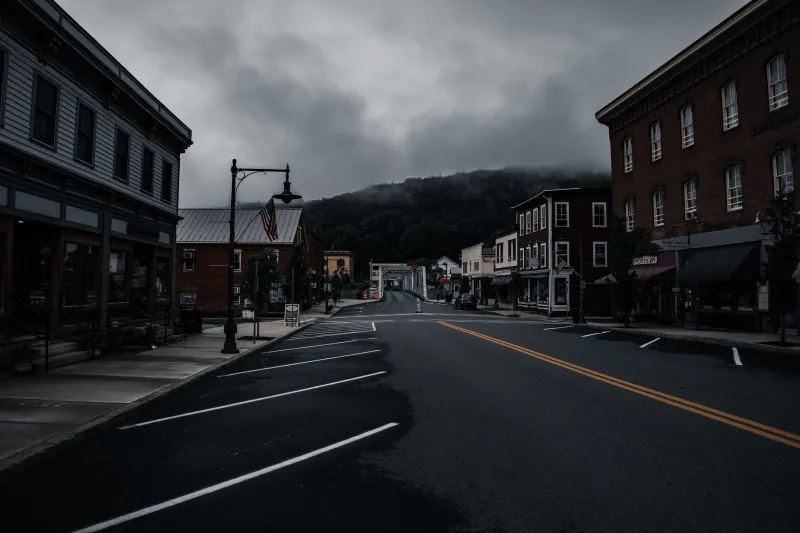
Main Street isn't dead. It never quite died, actually — it just went quiet for a while. Now it's finding its voice again, one independent shop at a time, and the road that leads there is well worth taking.