Ruins to Renaissance: The Scrappy Dreamers Turning Forgotten Towns Into Something Worth Visiting
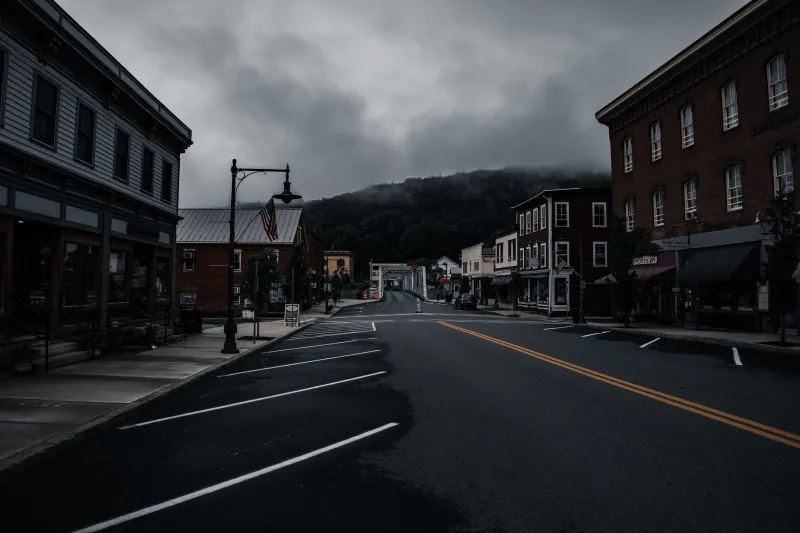
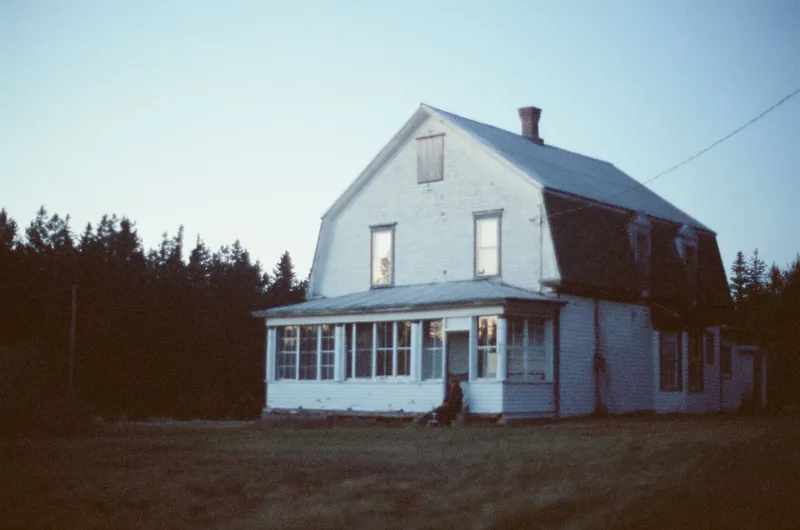
There's a particular kind of silence that settles over a town after the last business closes. It's not peaceful — it's heavy. You can feel it on main streets where the paint peels in long curling strips, where weeds push through sidewalk cracks like they've already won, where the post office hours are a polite fiction posted on a door nobody opens anymore.
But drive through enough of rural America and you'll start noticing something strange. Some of those silent towns are getting loud again.
Not with the same industries that built them — the coal seams are exhausted, the timber is gone, the family farms consolidated into something unrecognizable. The noise coming back is different. It's the sound of a band saw in a converted granary. A climbing harness clinking against a carabiner. A food truck generator humming behind what used to be a feed store. These places aren't being resurrected so much as reinvented, and the people doing the reinventing are a genuinely strange and fascinating mix.
What Makes a Town a Ghost Town — and What Brings It Back
The term "ghost town" gets thrown around loosely. Technically, it refers to any community that's lost the majority of its population and economic function. The American West is full of them — old mining camps in Colorado and Nevada where a single boom commodity came and went, leaving behind wooden facades and rusted equipment that now draw photographers and history buffs with equal enthusiasm.
But the more interesting ghost towns aren't the photogenic Old West relics. They're the ones that haven't quite died yet. Population: 40. One bar, one church, a Dollar General that might close next year. These in-between places — not romantic enough to be tourist attractions, not dead enough to be written off entirely — are where the real action is happening.
What draws people to them? Cheap real estate is the obvious answer, and it's not wrong. You can buy a building in some of these towns for less than a used car. But that alone doesn't explain the pattern. Plenty of cheap real estate sits untouched. What seems to tip the scale is a combination of natural assets — dramatic landscape, outdoor recreation, proximity to something people are already driving toward — and a critical mass of weirdos willing to bet on a place everyone else has abandoned.
Terlingua, Texas: The Blueprint Nobody Planned
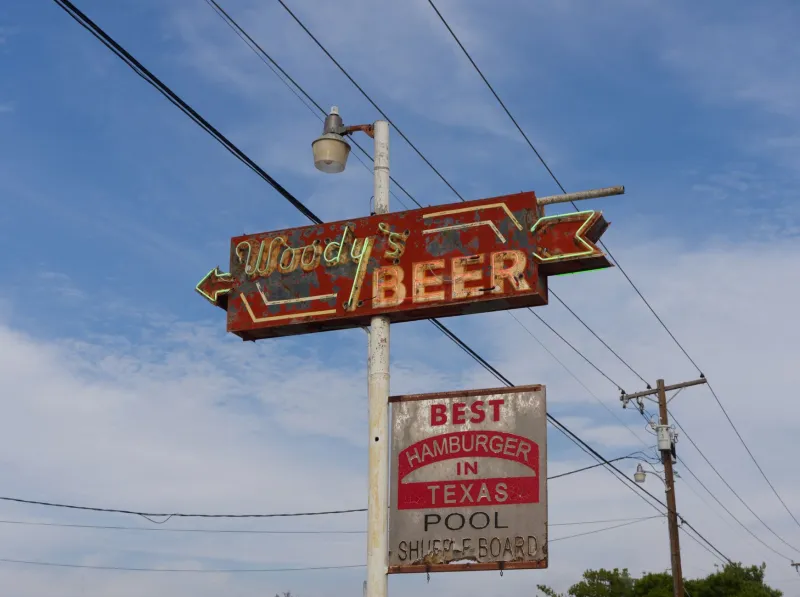
If you want to understand how this works, Terlingua is the case study people keep coming back to. Tucked against the Big Bend in far west Texas, this former mercury mining settlement was essentially abandoned by the mid-20th century. What's there now defies easy description: a chili cook-off that draws tens of thousands of people every November, a loose confederation of artists and desert hermits, a handful of genuinely excellent restaurants operating out of buildings that look like they're held together by hope and old adobe.
Nobody planned Terlingua. It accreted, slowly and organically, around the twin magnets of cheap land and spectacular desert scenery. The people who showed up first were the ones who couldn't quite fit anywhere else — Vietnam vets, back-to-the-landers, artists who needed space and silence. They stayed because leaving felt like admitting defeat. Eventually, enough of them stayed that something resembling a community formed.
Now Terlingua gets written up in travel magazines and featured in road trip itineraries. The tension that creates — between the old-timers who built something from nothing and the newcomers who showed up once it was already interesting — is real and ongoing. Ask anyone who's been going there for twenty years and they'll have opinions.
The Artist Colony Model: Creative Clustering in Unlikely Places
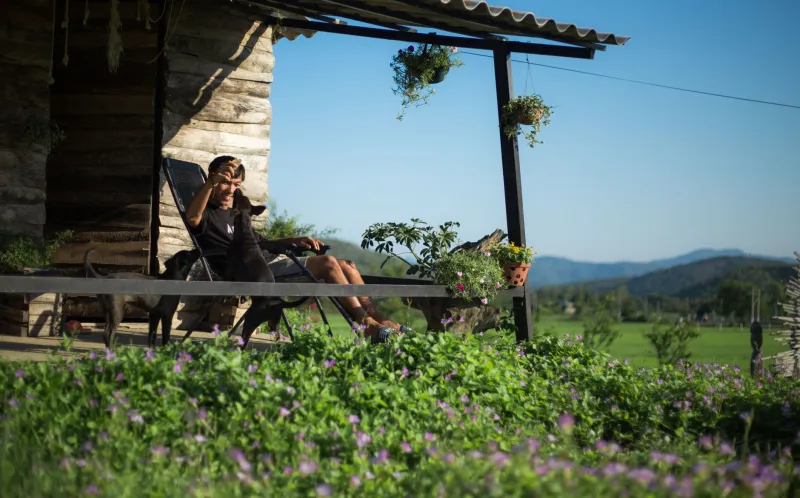
Terlingua is an outlier in scale, but the underlying dynamic repeats in smaller towns across the country. A few artists show up, drawn by low rents and the particular quality of light that seems to concentrate in high desert and river valleys. They fix up a building or two. They start a gallery, or a residency program, or just an open studio weekend. Other artists notice. Then the food people show up — because artists and good food have always traveled together — and suddenly a town that had nothing has a farmers market and a wine bar and a waiting list for the summer residency.
This has played out in Marfa, Texas (the famous one, the Judd Foundation one), but also in quieter versions in places like Silver City, New Mexico; Paonia, Colorado; and dozens of smaller communities that haven't made it into the lifestyle press yet. The formula is recognizable even when the specifics vary wildly.
What's less discussed is what happens to the people who were already there. Long-term residents of these towns often have complicated feelings about the transformation. Property values rise, which sounds good until you're a renter or a retiree on a fixed income. The culture of a place shifts in ways that can feel like erasure even when the intentions behind the change are entirely benign. The old hardware store becomes a gallery. The diner that's been there since 1962 closes because the building sold to someone who wants to open a cocktail bar.
This isn't a reason to stop the revival — these towns were dying, and dying isn't better than changing. But it's worth sitting with the complexity rather than flattening it into a feel-good story about urban creatives saving rural America.
Adventure Tourism: When the Landscape Does the Heavy Lifting
Not every ghost town revival runs through the arts. In some places, the land itself is the draw, and the town is just the basecamp.
Consider what's happened in parts of rural West Virginia, where old coal towns sitting adjacent to world-class whitewater rivers and mountain biking trails have found new purpose as adventure tourism hubs. The New River Gorge becoming a National Park in 2020 was a catalyst — suddenly there was federal infrastructure and national attention focused on a region that had been economically struggling for decades. Towns like Fayetteville started filling up with outfitters, climbing gyms, and the kind of coffee shops that seem to materialize wherever a certain demographic of outdoor enthusiast gathers.
Similar stories are playing out in the Ozarks, in rural Montana, and along the river corridors of the Southeast. The towns that succeed tend to be the ones that figure out how to serve the outdoor visitor without completely losing the thread of what they actually are. The ones that fail — or that succeed in a hollow way — are the ones that bulldoze their own character in pursuit of a tourism product that looks exactly like everywhere else.
What to Look For on Your Next Road Trip
If this kind of place appeals to you — and if you're reading this site, there's a decent chance it does — here's what to watch for when you're out on the road.
Look for the town that has one really good restaurant and nothing else. That restaurant is usually a leading indicator; somebody cared enough to do something excellent in an unlikely place, and where one person does that, others tend to follow.
Look for the building with fresh paint on a block where everything else is weathered. Look for the hand-lettered sign for a studio or a residency or a festival that sounds slightly too ambitious for the size of the town hosting it.
And when you find those places, spend some money there. Eat at the restaurant. Buy something from the gallery. Stay an extra night. The difference between a town that makes it and one that doesn't often comes down to whether the people passing through treat it like a drive-by curiosity or an actual destination.
The ghost town gold rush is real. But the towns that turn into something lasting are the ones that get visitors who show up with genuine curiosity — and the patience to let a place reveal itself slowly, on its own terms.