Mud, Gravel, and a Town That Finally Put Itself on the Map
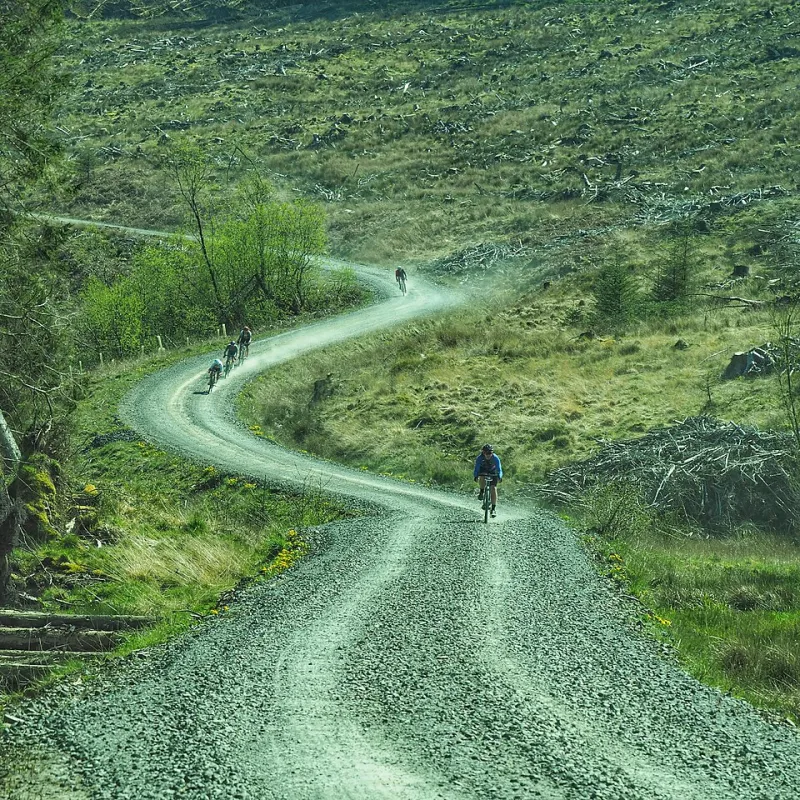
Photo: Mick Garratt , CC BY-SA 2.0, via Wikimedia Commons
For most of its history, Emporia, Kansas, was the kind of place people drove through on their way somewhere else. Then someone decided to race bikes on its gravel roads, and everything changed.
The Dirty Kanza — now rebranded as Unbound Gravel — turned a quiet Flint Hills town into the center of the global gravel cycling universe. Thousands of riders descend on it every June, filling every motel room within forty miles, cleaning out local restaurants, and pumping millions into a regional economy that had spent decades watching young people leave and businesses close. The race didn't just put Emporia on a map. It gave the town a reason to believe in itself again.
That story is playing out, in different forms and different sports, across rural America right now. And it's happening faster than most people realize.
The Terrain Was Always There
Rural communities have always had what adventure sports demand: space, varied terrain, minimal traffic, and the kind of untouched natural landscape that urban race organizers would kill to access. What they lacked was the confidence — and the organizational infrastructure — to turn those assets into events.
That's changing. Trail running races are popping up in the Ozarks and the Appalachian foothills. Endurance mountain bike events are colonizing the red dirt roads of Oklahoma and the pine forests of rural Michigan. Gravel cycling routes are being mapped across the Great Plains by riders who discovered that the same roads locals have always complained about are, to the right kind of person, paradise.
"We spent years thinking our roads were a problem," said one county commissioner in rural Nebraska, whose community now hosts an annual gravel race that draws over 600 registered riders from more than twenty states. "Turns out, the rougher the better. That's the whole point."
Small Infrastructure, Big Events
One of the underappreciated advantages rural communities bring to sports tourism is low overhead. When a city hosts a marathon, it involves road closures, police overtime, permitting nightmares, and logistical costs that can run into the hundreds of thousands. When a small town hosts a trail race or a gravel event, the roads are already empty, the landowners are often neighbors of the organizers, and the permit process is a conversation over coffee with someone at the county seat.
This cost advantage lets rural events punch well above their weight. Entry fees stay competitive. Prize purses can be meaningful. And the character of the event — informal, community-driven, genuinely welcoming — becomes a feature rather than a bug.
Race directors who've made the shift from urban to rural events consistently describe the same revelation: rural communities don't just tolerate these events, they adopt them. Volunteers show up in numbers that would make a big-city event coordinator cry. Local businesses create race-week specials. Churches set up aid stations. High school kids earn community service hours handing out bananas at mile 34.
Building Identity Around an Event
For a small town, hosting a recurring annual event isn't just an economic opportunity — it's an identity-building exercise. Towns that have successfully built sports tourism ecosystems describe a shift in how residents think about their community. Instead of the place people leave, it becomes the place people come to.
That psychological shift is hard to quantify but impossible to ignore. Local pride, it turns out, is a renewable resource — and nothing generates it quite like watching your county road become the backdrop for a race that people trained six months to compete in.
The ripple effects extend beyond race weekend. Athletes who compete in rural events often return as tourists, bringing partners and families who want to see the place that was described with such enthusiasm after last year's race. Some move there. Some open businesses. The event becomes a talent funnel as much as a tourism draw.
"We've had people move here specifically because they ran our race and fell in love with the area," said the director of a trail running festival in rural Tennessee. "That's not something we planned for. It just happened."
The Competition Nobody Saw Coming
Urban event venues — stadiums, convention centers, city park systems — didn't see this coming. Why would they? The idea that a town of 1,500 in rural Kansas could out-compete Denver or Austin for endurance athletes' travel dollars seemed absurd five years ago.
It doesn't seem absurd anymore. Gravel racing in particular has become a phenomenon that actively resists urbanization. The sport's entire identity is built around going places that aren't polished, that aren't convenient, that require a little extra effort to reach. Rural communities aren't competing with cities on the same terms — they're offering something cities structurally cannot.
The waiting lists for events like Unbound Gravel, the Heck of the North in Minnesota, or the Belgian Waffle Ride in North Carolina aren't filled with people who couldn't get into a city race. They're filled with people who specifically want what a rural event provides: real roads, real terrain, real community.
What It Takes to Pull It Off
Not every rural community can or should try to host a major endurance event. The ones that succeed tend to share a few characteristics: strong volunteer culture, at least one or two driven organizers willing to do the unglamorous work of permitting and logistics, natural terrain with genuine variety, and a local business community willing to invest in the experiment before the returns are obvious.
The returns, when they come, tend to be obvious pretty quickly. A single weekend event with 500 participants and their support crews can generate significant direct spending in a small town. Multiply that by the media coverage, the social sharing, and the word-of-mouth that follows a well-run event, and the math starts looking very interesting.
Rural America's back roads were always an asset. It just took a generation of cyclists, trail runners, and endurance athletes to show everyone else what they were worth.