Gavel Down, Jackpot: How Small-Town Auction Houses Became the Secret Weapon of Serious Collectors
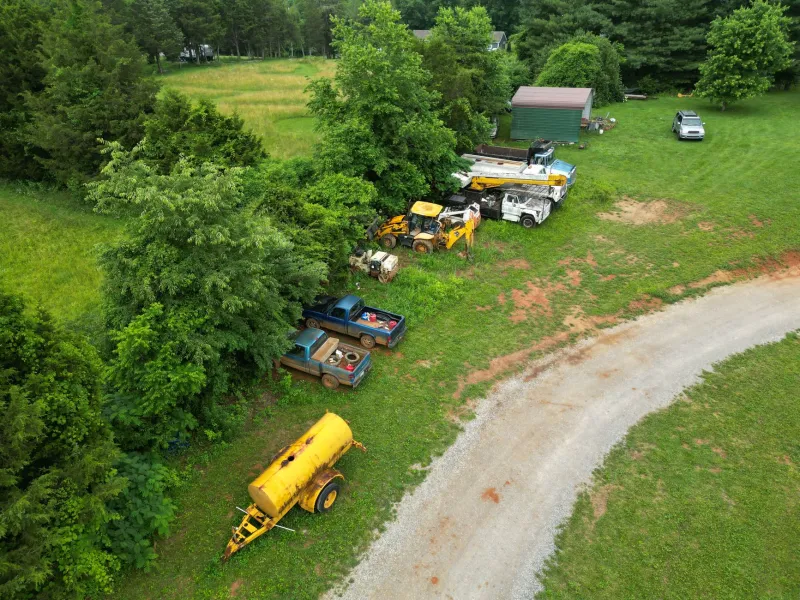
On a crisp Saturday morning in Abilene, Kansas, a crowd of maybe sixty people has gathered in a gravel lot beside a weathered grain elevator. There's a folding table stacked with styrofoam coffee cups, a hand-painted sign advertising the estate of one Harold Pruitt — farmer, collector, pack rat of forty years — and a fast-talking auctioneer who sounds like he's been doing this since before most of the bidders were born. By noon, a vintage John Deere hit-and-miss engine that nobody in the crowd quite recognized has sold for $2,800 to a quiet guy in a Carhartt jacket who drove six hours from Missouri specifically for it.
He knew what it was. Nobody else did. That's the whole game.
Why Rural Auctions Are Beating the Big Leagues
The collectibles and investment world has a dirty little secret: the best stuff rarely surfaces in the glamorous rooms. While auction houses in New York and Los Angeles get the press, a parallel economy has been quietly humming along in places like Grundy Center, Iowa, and Guymon, Oklahoma — and the people who've figured this out are not rushing to tell you about it.
The economics are almost embarrassingly simple. Rural estate sales and auction houses operate with dramatically lower overhead than their urban counterparts. There's no prime real estate to maintain, no glossy catalog to print, no commission structure bloated by decades of brand prestige. What that means for buyers is a price floor that sits far below comparable items in major metro markets — sometimes by 40 to 60 percent.
But the real advantage isn't just the prices. It's the provenance. Farm country has been quietly accumulating stuff for over a century, and much of it has never changed hands. When a multigenerational farming family finally settles an estate, what comes to auction is often genuinely untouched — tools, machinery, artwork, furniture, and ephemera that never made it to an antique mall or an eBay listing. The word collectors use is "fresh." Fresh to market. Never picked over. That's worth a lot.
The Circuit Riders
Ask around in serious collector circles long enough and you'll start hearing about people who have essentially built careers out of following the rural auction circuit. They're not flippers in the pejorative sense — most of them have deep, specific knowledge about particular categories, and they treat the circuit like a second job.
Take Diane Kessler, a retired schoolteacher from Decatur, Illinois, who has spent the last fifteen years driving to farm auctions across a five-state radius specifically hunting for early American stoneware. She keeps a laminated map in her glove compartment, subscribes to four different regional auction listing services, and has a storage unit outside of Champaign that her husband refers to, not entirely affectionately, as "the museum."
"People think antique stores are where you find things," Diane says, pouring coffee from a thermos at a sale outside of Danville. "Antique stores are where things go after someone already found them. The real finding happens out here."
She's not wrong. The markup between what something sells for at a rural estate auction and what it eventually fetches in a city antique market or at a regional show can be staggering. A piece of decorated redware that goes for $180 in a Midwestern farm auction might realistically sell for $600 to $900 in a Philadelphia antique gallery six months later. The arbitrage is real, and it rewards people willing to put in the miles.
The Generational Transfer Nobody's Talking About
There's a larger story underneath all of this, and it's one that doesn't get nearly enough attention: the single largest generational transfer of rural assets in American history is happening right now, and it's moving through auction houses.
As the Baby Boomer generation ages and farm families without clear succession plans begin settling estates, an enormous volume of accumulated wealth — in the form of equipment, land tools, household goods, and collectibles — is hitting the open market. Agricultural historians and appraisers estimate that tens of thousands of rural estates will be liquidated over the next decade, many of them representing farms that have operated continuously since the early 1900s.
For collectors, this represents an extraordinary window. Much of what comes out of these estates has never been appraised, cataloged, or even properly identified. A hammer-forged set of blacksmithing tools. A hand-stitched quilt from the 1880s. A cast-iron implement with a manufacturer's mark that only a specialist would recognize. These things show up in cardboard boxes at farm auctions all the time, and they go to whoever shows up and knows what they're looking at.
Getting Started: What You Need to Know Before You Bid
If this sounds like something you want to get into — even casually — there are a few ground rules that experienced buyers will tell you upfront.
Do your research before the sale, not during it. Most reputable rural auction houses post photos and item lists in advance. Study them. If you're interested in a specific category, know your prices cold before you walk in the door. The adrenaline of a live auction is not the moment to be doing mental math.
Show up early. Preview hours exist for a reason. Walk the lots, handle the items, look for condition issues, and identify your targets before the crowd thins and the auctioneer starts. Experienced buyers have usually done a full mental inventory before the first gavel falls.
Set a hard ceiling and stick to it. Auction fever is real. It happens to everyone. The room's energy, the competitive dynamic, the fear of losing something — it can push bids well past rational territory. Know your number before the bidding opens.
Bring cash. Many rural auction houses still operate on a cash-and-check basis, or charge a buyer's premium on card transactions. Some of the best sales in the most remote locations won't take a card at all.
Build relationships with auctioneers. The good ones know their regulars. If you show up consistently, pay promptly, and treat the process with respect, you'll start getting phone calls before listings go public. That's when the real opportunities happen.
The Road Is Part of the Deal
Here's the thing that pure investment-minded people sometimes miss about the rural auction circuit: the journey is genuinely half the experience. Getting to a farm sale in the Nebraska Sandhills or the hill country of central Texas means driving through landscapes that most Americans never see. You stop at a roadside diner that's been there since 1962. You talk to a farmer who can tell you the history of every piece on the lot because he watched his grandfather use it. You eat a slice of pie that somebody's grandmother made at four in the morning.
The finds are real. The economics are legit. But the reason people get hooked on this circuit isn't just the deals — it's the stories that come with every single thing they bring home. That hit-and-miss engine from Harold Pruitt's estate? The guy from Missouri knows exactly which county fair it ran at in 1934. He looked it up. That's the kind of thing you can't buy in a catalog.
The gavel comes down. Next sale's in three weeks, two counties over. See you there.