Cheap Rent, Big Dreams: Why Small-Town Storefronts Are Becoming the Hottest Launch Pads for Independent Makers
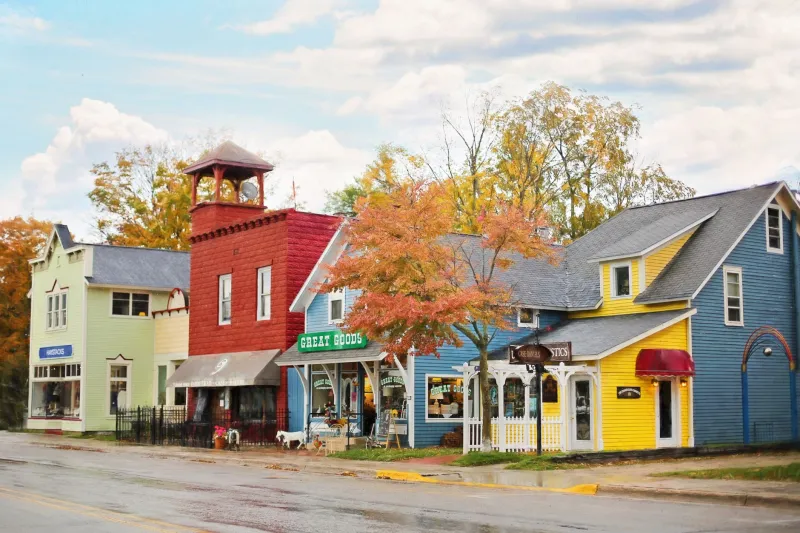
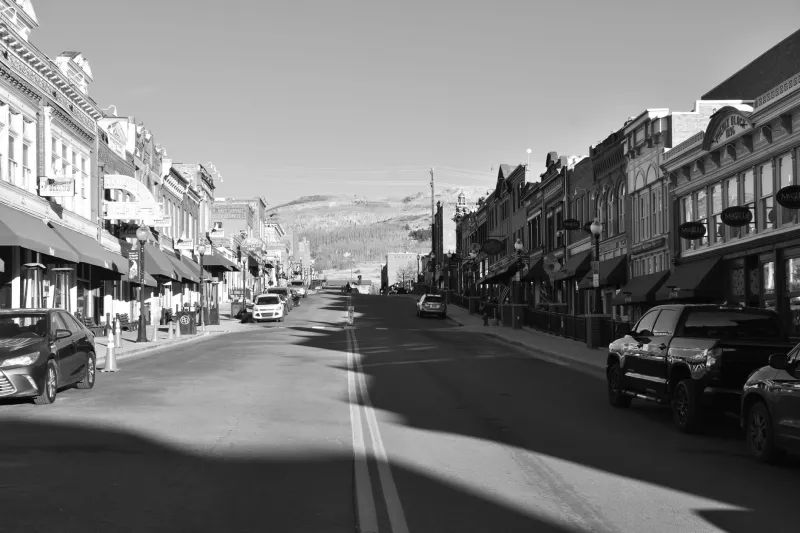
Drive down the main drag of almost any small American town and you'll still see them — plate-glass windows gone dusty, hand-lettered "For Rent" signs curling at the corners, ghost-town vibes that make you feel like the last customer left sometime around 2009. But look a little closer. In more and more of these places, those same windows are starting to glow again. Not with chain pharmacies or dollar stores, but with something stranger and honestly a lot more interesting: a ceramicist who left Portland. A woman selling hand-dyed linen from a converted hardware store. A guy making small-batch hot sauces out of peppers he grows three miles down the road.
Rural Main Street is quietly becoming one of the most unlikely creative economies in America — and travelers are starting to notice.
The Math That Makes It Possible
The basic equation is almost embarrassingly simple. In a mid-size city, a 600-square-foot retail space can run anywhere from $2,500 to $5,000 a month before you've bought a single spool of thread or bag of clay. In a small town in rural Ohio, Tennessee, or the Texas Hill Country? That same footprint might cost $400. Sometimes less. Sometimes the building owner is so relieved to have a warm body in there that they'll negotiate a few months rent-free just to get the lights back on.
For makers and micro-brand founders — people who built their businesses on Instagram, Etsy, and farmers markets — that kind of overhead difference is the whole ballgame. It's the difference between perpetually scraping by and actually turning a profit. It's the difference between a side hustle and a real business.
"I'd been doing craft fairs for four years and I was exhausted," says one ceramicist now operating out of a former insurance office in a small town in upstate New York. "I couldn't afford a permanent space anywhere near where I used to live. A friend told me about this town almost as a joke. I drove up, looked at the rent, and signed a lease two weeks later."
What Travelers Are Actually Finding
Here's where it gets interesting for anyone planning a road trip through rural America: these shops are genuinely worth seeking out.
Forget the tourist-trap aesthetic of your average highway gift shop — the mass-produced dream catchers, the refrigerator magnets shaped like state outlines. What's showing up in these revived storefronts tends to be the real deal. Hand-thrown mugs. Natural-dye textiles. Small-batch preserves. Furniture made from reclaimed local timber. Jewelry that references the actual landscape of the county it's sold in.
The goods feel rooted in place because, often, they are. Many of these entrepreneurs didn't just rent a cheap storefront — they moved to the town. They shop at the local grocery. Their kids go to the local school. The business and the community start to grow together in ways that feel organic rather than manufactured.
For travelers, stumbling onto one of these shops can be the kind of serendipitous experience that makes a road trip memorable. You weren't looking for it. You pulled over because the building had an interesting facade. You walked out forty minutes later having spent $80 on a hand-poured candle and a linen tote bag, and you talked to the person who made both of them. That's a story you tell when you get home.
The Tension Nobody Likes to Talk About
Of course, it's not all feel-good economics. The arrival of creative transplants in small towns comes loaded with complications that locals don't always experience as purely positive.
There's the gentrification question, which feels almost absurd to raise in a place where storefronts have been empty for a decade — but it's real. As a handful of makers establish themselves and a town starts getting written up in travel blogs (hi), rents creep up. The next wave of entrepreneurs can afford a little less. Long-time residents who might've wanted to open a small business of their own find the calculus shifting.
There's also the question of who the commerce is actually serving. A $180 hand-thrown vase is a beautiful object. It is not, however, a hardware store or a pharmacy or a place where a working family can buy what they need on a Tuesday afternoon. The risk of a Main Street populated entirely by artisan boutiques is that it becomes a destination for visitors rather than a functioning commercial center for the people who live there.
Smart towns are thinking about this balance deliberately. Some are using grant programs and community land trusts to keep a mix of business types alive. Others are structuring their recruitment of new entrepreneurs around gaps in local services rather than just aesthetic appeal.
How to Find These Places on Your Next Trip
If you're road-tripping through rural America and want to track down these under-the-radar maker scenes, a few strategies tend to work well.
First, follow state and regional artisan guilds on social media. They often spotlight members with physical retail spaces and will tell you exactly where to find them. Second, look for towns that have active Main Street America programs — these federally affiliated revitalization initiatives tend to attract and support exactly the kind of independent businesses we're talking about.
Third, and honestly most reliably: just slow down. Get off the interstate. Drive through town centers instead of around them. The shop with the interesting window display and the hand-painted sign? Stop. You're on a road trip. You have time.
Farmers markets are another reliable entry point. Vendors who do well at a local market often eventually make the leap to a permanent space. Chat with the makers you meet at a Saturday market and ask if they have a storefront — you might end up with a Sunday morning destination you didn't know you needed.
A Different Kind of Souvenir Economy
There's a broader shift happening in how travelers think about what they want to bring home from a trip. The mass-produced souvenir is losing ground to the object with a story — something made by a specific person, in a specific place, from materials that came from somewhere real.
Rural Main Streets, with their cheap square footage and their authentic local character, turn out to be a surprisingly natural home for that kind of commerce. The empty storefronts that felt like symbols of decline are becoming, in some towns, symbols of something more interesting: a different kind of economic imagination taking root.
It's not a silver bullet. It doesn't replace the industries that left. It doesn't work in every town. But in the places where it's happening, it's worth paying attention to — and worth pulling over for.