Selling Stillness: The Small Towns Turning Peace and Quiet Into a Real Business
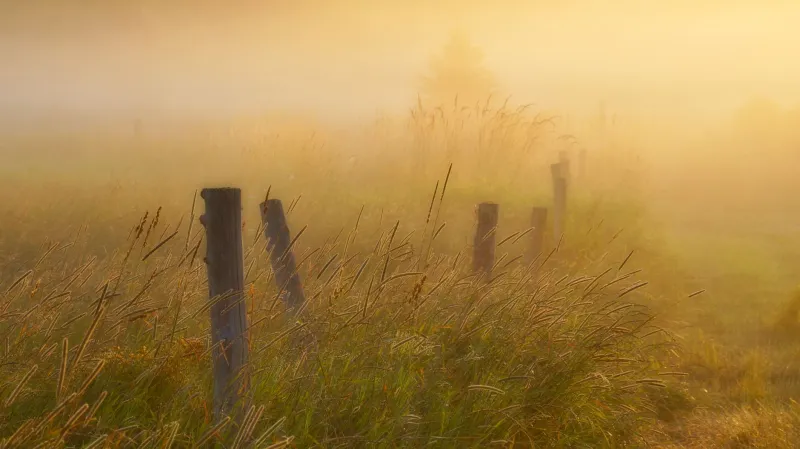
There's a meadow outside a small community in the Ozarks where the loudest thing you'll hear on a Tuesday morning is a red-tailed hawk working the thermals above the tree line. No leaf blowers. No traffic. No notification sounds bleeding out of someone else's earbuds. Just wind, grass, and the occasional creak of a wooden fence post settling into the earth.
The woman who owns the property charges $180 a night for the privilege of hearing all of that — or rather, hearing none of it.
And she's booked solid through October.
Across rural America, a quiet revolution is underway. Towns that once apologized for not having much to do are reframing that absence as the product itself. Stillness, it turns out, has a market rate. And that rate is climbing.
The Sound Economy Nobody Saw Coming
The concept has a few different names depending on who you ask — acoustic tourism, silence retreats, sensory detox travel — but the core idea is the same: people who live in cities are increasingly willing to pay real money to experience environments where human-made noise is minimal or nonexistent.
Researchers have been documenting the health effects of chronic noise exposure for years. Elevated cortisol. Disrupted sleep. Cardiovascular strain. The World Health Organization has classified noise pollution as a genuine public health threat. Meanwhile, the average American city dweller is marinating in it every single day.
Rural communities didn't manufacture this problem. They just happen to be sitting on the solution.
In places like the hill country of central Texas, the river valleys of eastern Tennessee, and the wide-open stretches of the northern Great Plains, local entrepreneurs and community planners are starting to recognize that their most undervalued asset isn't the land itself — it's the acoustic environment that comes with it.
"We used to think quiet was just what happened when nothing was going on," says one lodge owner in the Missouri Ozarks who asked not to be named because she's still figuring out her pricing model. "Now I think of it as something we actively protect. It's infrastructure."
What Acoustic Tourism Actually Looks Like
The experiences being built around rural quiet run the full spectrum from deeply structured to completely hands-off.
On one end, you've got dedicated sound bath and meditation retreat operations — often running out of converted farm buildings — where certified practitioners guide small groups through immersive listening sessions using Tibetan singing bowls, ambient nature recordings, and long stretches of intentional silence. These aren't day-spa add-ons. They're multi-day programs with waiting lists, drawing participants from major metros who are specifically seeking neurological recovery from overstimulation.
On the other end, you've got simpler propositions: a farmhouse rental in a holler with no cell service, marketed directly on that absence. No TV. No Wi-Fi password to ask about. Just the sounds of the property doing what it does.
In between, a growing number of rural operators are building what might be called curated quiet experiences — guided dawn walks timed to peak birdsong windows, stargazing programs that double as listening sessions, or farm stays where the evening activity is literally sitting on the porch and paying attention.
The common thread is intentionality. These aren't passive experiences. They're designed, scheduled, and increasingly, limited.
The Carrying Capacity Problem
Here's the tension at the center of all of this, and the rural communities doing this well are the ones taking it seriously: the product you're selling is fragile. Invite too many people in, and you destroy the very thing they came for.
It's the same problem that's plagued natural wonders from Zion Canyon to the Boundary Waters for decades. Popularity is a slow-motion threat. Every new visitor adds a little more noise, a little more foot traffic, a little more infrastructure pressure. And at some threshold — different for every place — the experience crosses a line and becomes something ordinary.
Some rural communities are getting ahead of this with deliberate capacity controls. A retreat center in the hill country limits its sound bath weekends to eight participants, period. A farm in rural Vermont has a standing policy of hosting no more than two guest parties at any one time, regardless of demand. A small valley community in New Mexico has started issuing seasonal visitor permits for its most acoustically pristine trail system, modeled loosely on the kind of permit systems used by wilderness areas.
These aren't just conservation measures. They're brand protection.
"If I let twenty people in here at once, the product stops working," explains one retreat operator in rural Kentucky. "I'd make more money short-term and go out of business in three years because the word of mouth would turn. The people who come here are coming because it's genuinely quiet. The moment it stops being that, they stop coming."
Pricing the Intangible
One of the more interesting economic puzzles in this space is the question of how you price something as abstract as quiet.
The short answer, based on what's happening in the market, is: higher than most rural operators initially think.
Urban wellness consumers — the core demographic for most of these experiences — are already accustomed to paying premium rates for meditation apps, sensory deprivation float tanks, and curated digital detox programs. A weekend in a genuinely quiet rural environment, properly framed and delivered, competes favorably with all of those alternatives and often wins on the sheer authenticity of the experience.
Some operators are pricing their offerings in line with mid-range wellness retreats in more established markets — $300 to $600 per person for a weekend program, not including lodging. Others are bundling accommodation and experience together at rates that would have seemed absurd for rural properties just ten years ago.
The key, according to those who've figured it out, is the framing. You're not renting a farmhouse. You're selling access to something increasingly rare in American life. That's a different value proposition, and it justifies a different price point.
Keeping It Real
Not every rural community is suited to this kind of tourism, and the ones approaching it honestly will tell you so. You need a baseline acoustic environment that's genuinely exceptional. You need enough distance from highway corridors, flight paths, and industrial activity to deliver on the promise. And you need operators who understand that the moment they start cutting corners on the experience — adding more guests, building more infrastructure, loosening the quiet hours policy — they're spending down the asset.
There's also the question of community buy-in. Acoustic tourism works best when the surrounding community is aligned with the values it sells. A retreat center surrounded by neighbors running ATVs at 6 a.m. has a product integrity problem that no amount of marketing can solve.
But for the communities that have what it takes, and the willingness to manage it carefully, the opportunity is real. America's appetite for quiet isn't a niche trend. It's a response to conditions that are getting worse, not better. And the places that figured out how to bottle stillness — and protect it — are sitting on something genuinely valuable.
The hawk is still up there over that Ozark meadow. Still hunting. Still silent from a distance.
And somewhere in a city, someone is already searching for where to book it.