Small Towns Are Setting the Trends Now — and the Cities Are Finally Catching On
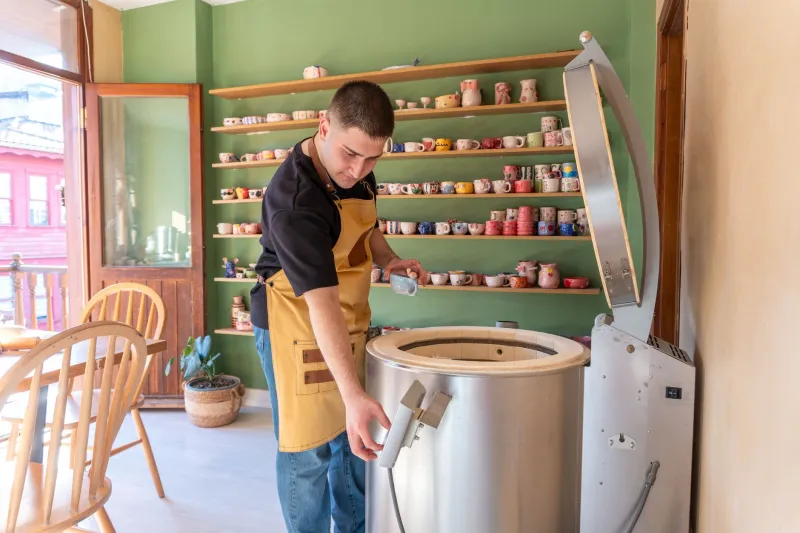
There's a pottery studio in a converted feed store in Seagrove, North Carolina, where a third-generation potter named Dale turns out work that's ended up in Brooklyn galleries, Austin boutiques, and on the shelves of design-forward homes across the country. He doesn't have a publicist. He doesn't run ads. He just makes things the way his grandfather taught him, in a building that still smells faintly of grain, and somehow the world keeps finding him.
That story — quietly radical, stubbornly local — is playing out across rural America right now. And it's starting to feel less like a quirky footnote and more like a full-on cultural reversal.
The Direction of Influence Has Flipped
For most of the twentieth century, the cultural pipeline ran pretty clearly from urban centers outward. Cities generated the music, the food trends, the fashion movements. Rural communities were often cast as consumers of culture rather than creators of it — adopters of whatever the coasts decided was next.
That framing has aged badly.
Look at what's actually driving conversation in food media right now: fermentation traditions from Appalachian homesteads, heritage grain farming out of the Great Plains, smoked meat techniques from the Texas Hill Country that fine-dining chefs are studying like sacred texts. The culinary world's obsession with "provenance" and "terroir" isn't just about wine anymore — it's about understanding that the most interesting flavors in American cooking were never invented in a restaurant kitchen. They came from someone's back porch, someone's smokehouse, someone's grandmother's root cellar.
Chefs in Chicago and Los Angeles are making pilgrimages to rural mills and small-batch dairies not just to source ingredients, but to learn. That's a meaningful shift in who holds the knowledge.
Craft as Cultural Currency
The handmade economy has become one of the clearest examples of rural influence running upstream. American craft — woodworking, ceramics, leatherwork, textile weaving, blacksmithing — is experiencing a renaissance that's being driven not by urban makerspaces but by communities where those skills never actually died.
In towns like Berea, Kentucky, often called the "Folk Arts and Crafts Capital of Kentucky," artisans have been producing work of genuine depth and technical sophistication for generations, largely without fanfare. Now those same traditions are informing everything from high-end furniture brands to the aesthetic language of direct-to-consumer companies trying to signal authenticity to skeptical buyers.
The irony isn't lost on the craftspeople themselves. "City companies spend a lot of money trying to look like what we just... are," one woodworker in the Ozarks told us, gesturing around a workshop where the sawdust on the floor was genuinely earned. He wasn't bitter about it. Just observant.
For travelers, this creates a real opportunity. Visiting working craft communities — places like the pottery towns of North Carolina's Seagrove area, the quilting traditions of Gee's Bend, Alabama, or the glassblowing studios scattered through rural New Mexico — offers something you genuinely can't replicate in a city showroom. You get to see the work being made, talk to the person who made it, and understand the landscape that shaped it. That context is the whole point.
The Music Nobody Credited
American popular music has always owed a debt to rural traditions that it hasn't always been eager to acknowledge. Blues from the Mississippi Delta, bluegrass from the Appalachian highlands, conjunto from the Texas borderlands — these weren't regional curiosities. They were the raw material from which entire genres were built.
What's different now is that rural musical communities are increasingly bypassing the traditional gatekeepers entirely. Independent artists from small towns are building audiences directly through streaming and social platforms, releasing music that's rooted in place and community in ways that urban-produced work often isn't. And listeners — including plenty of urban ones — are responding to that specificity.
Festivals held in fields and fairgrounds across the rural Midwest, South, and Mountain West have become genuine cultural destinations. Events like Pickathon outside Portland (which draws heavily on rural and Americana traditions) or the Bristol Rhythm & Roots Reunion in the birthplace of country music attract attendees who are specifically seeking something that feels connected to a real place and a real community.
Fashion From the Fields
Workwear has been having a prolonged cultural moment, and it didn't start in a design studio. The durability-first aesthetic — waxed canvas, raw denim, leather boots built to last decades — traces its roots directly to rural working culture. Brands that have successfully tapped into this have often done so by going back to the source: partnering with small-town manufacturers, reviving regional production, and telling stories grounded in actual agricultural and working-class life.
Beyond workwear, rural fashion traditions like Western wear have moved from niche to mainstream in ways that feel genuine rather than appropriative when they're connected back to the communities that kept those traditions alive. Independent bootmakers in Texas, hatters in Montana, denim shops in the rural South — these makers are experiencing demand they haven't seen in decades.
Why This Matters for Travelers
If you're the kind of person who reads a site called Rural Turistic, you probably already sense that the countryside holds something the city can't manufacture. But it's worth naming what that something is: continuity. Rural communities carry traditions forward across generations in ways that urban environments — with their constant churn and reinvention — often can't sustain.
When you visit a working pottery town, a family-run smokehouse, a music festival rooted in a specific regional tradition, or an artisan's studio in a converted barn, you're not just consuming a product. You're participating in a living cultural practice. You're seeing where the influence actually originates before it gets smoothed out and repackaged for mass consumption.
That experience is increasingly hard to find — and increasingly valuable because of it.
Go Find the Source
The next time you see a restaurant in a major city boasting about its heritage grain sourcing, or a boutique selling "handcrafted" goods in an aesthetic that nods heavily to rural American craft traditions, consider going to find the actual source. Drive out to the mill. Visit the pottery community. Book a night near the music festival that inspired the playlist.
Rural America has been quietly setting the cultural agenda for a while now. The cities are just starting to notice. You can get ahead of that curve — and have a much better trip — by heading straight to where the real thing lives.